Allowing the import of cars with small engine capacity will hurt the local automotive industry, reports Bernama. Allowing their import will lead to the dumping of such vehicles in the local market, and hamper the government’s efforts in developing the local automotive industry, said deputy minister of investment, trade and industry Liew Chin Tong.
The goals of National Automotive Policy (NAP) 2020 will be affected if automakers shift the focus of their activities from local car assembly to CBU (fully imported) vehicles, he said.
“At the same time, it will affect the long-term investment planning for local production by OEM (original equipment manufacturer) companies as well as national car companies. This will, in turn, affect local vendor development efforts and lead to the loss of employment opportunities for locals in the future, Liew said.


Liew was responding to a question in Dewan Negara, regarding the government’s willingness to review the standard operating procedure and import regulations for the entry of vehicles with smaller engine capacities, such as those displacing 660 cc.
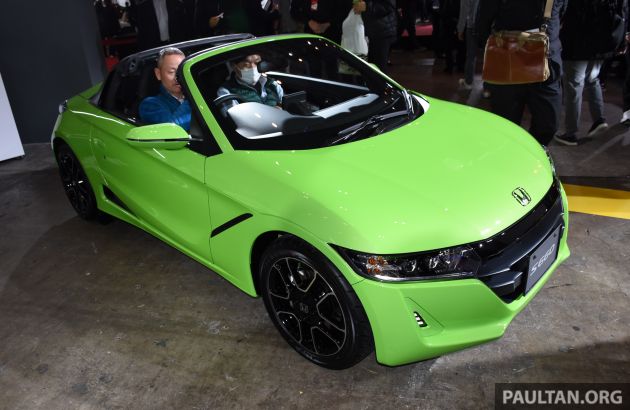
An example of such a car is the Honda S660, that is powered by a 660 cc three-cylinder turbo petrol engine producing 64 PS and 104 Nm, which is built to meet the kei car regulations of Japan.
The focus of the local automotive industry roadmap is to encourage local assembly activities by national carmakers and other OEM companies, regardless of vehicle brand or engine capacity, Liew said. “Having a small engine capacity does not necessarily mean a particular vehicle would be sold at a cheap price as imports are still subject to import tax, excise duty and sales tax,” he said.
The post Allowing imports of low-cc CBU cars will hurt local industry; affect local vendors, employment – MITI appeared first on Paul Tan's Automotive News.