Picture yourself working on one of the vintage vehicles in your garage when your smartphone jumps to life. A quick glance at the screen alerts you to who is attempting to reach out: a family member, a close friend, some random number that looks familiar, or a caller identified simply as “Potential Spam.” Hearing from friends and family is one thing— even when your hands are tinted a burnt-oil hue and parts are scattered across a workbench—but calls about suspect extended warranties and the like are untimely annoyances. So, imagine the range of emotions that raced through Brian White’s mind when, in 2016, the caller was the local undertaker.
“You can bet I answered with trepidation, but when I confirmed he was talking to the right person he asked me if I still collect old cars,” Brian, a resident of Apex, North Carolina, says. Brian has a penchant for rare and/or unique collector cars, and his collection includes a trio of Stutz Bearcats, just for starters.
“I told the undertaker that I did, and he said, ‘I may have one or two you’d be interested in.’ It turns out that a gentleman in Cary—just a few miles away from me—had passed away and the family was looking for someone who might be interested in buying the two old cars he had in his garage. The undertaker said he would give my name and number to the family,” Brian says.
A relative of the deceased soon reached out with more details and an asking price. According to Brian, “All they really knew was that one of the cars was a 1925 Peerless sedan and the other was a 1915 Pierce-Arrow, and they were offered to me as a package deal for a really reasonable price. Of the two, I knew the Pierce-Arrow was rarer, and it was the car I was keenly interested in, but the catch was that the Pierce-Arrow was in pieces in his garage.”
Already a veteran of several restorations and countless Antique Automobile Club of America (AACA) and concours events, Brian’s experience, and specifically his truck and trailer, nullified any notion of transport concerns, especially considering both cars were located fewer than five miles away. A bigger concern was getting the purchase approved by his wife, Patricia.
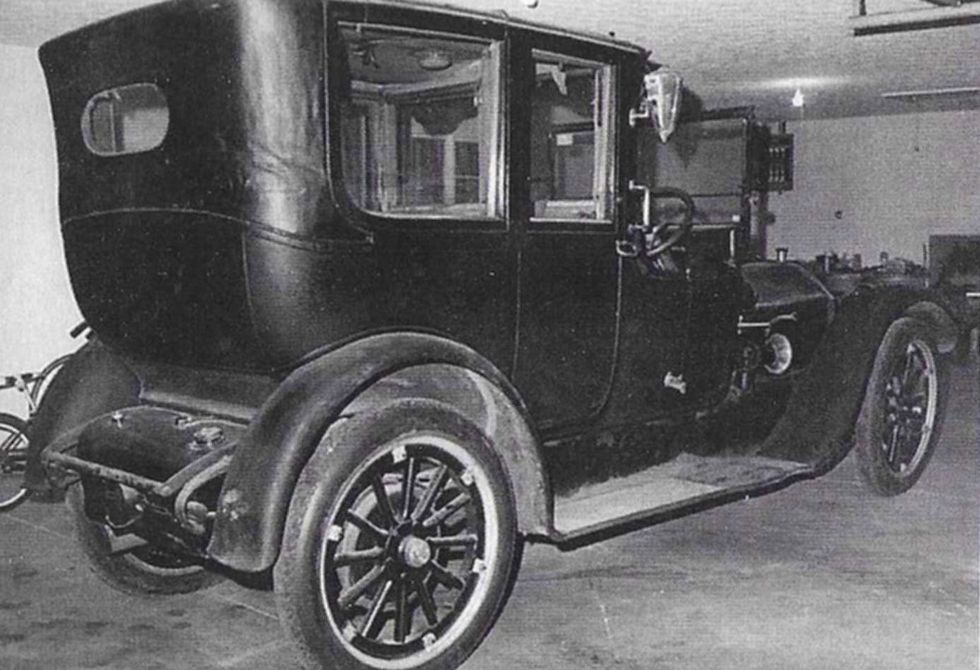
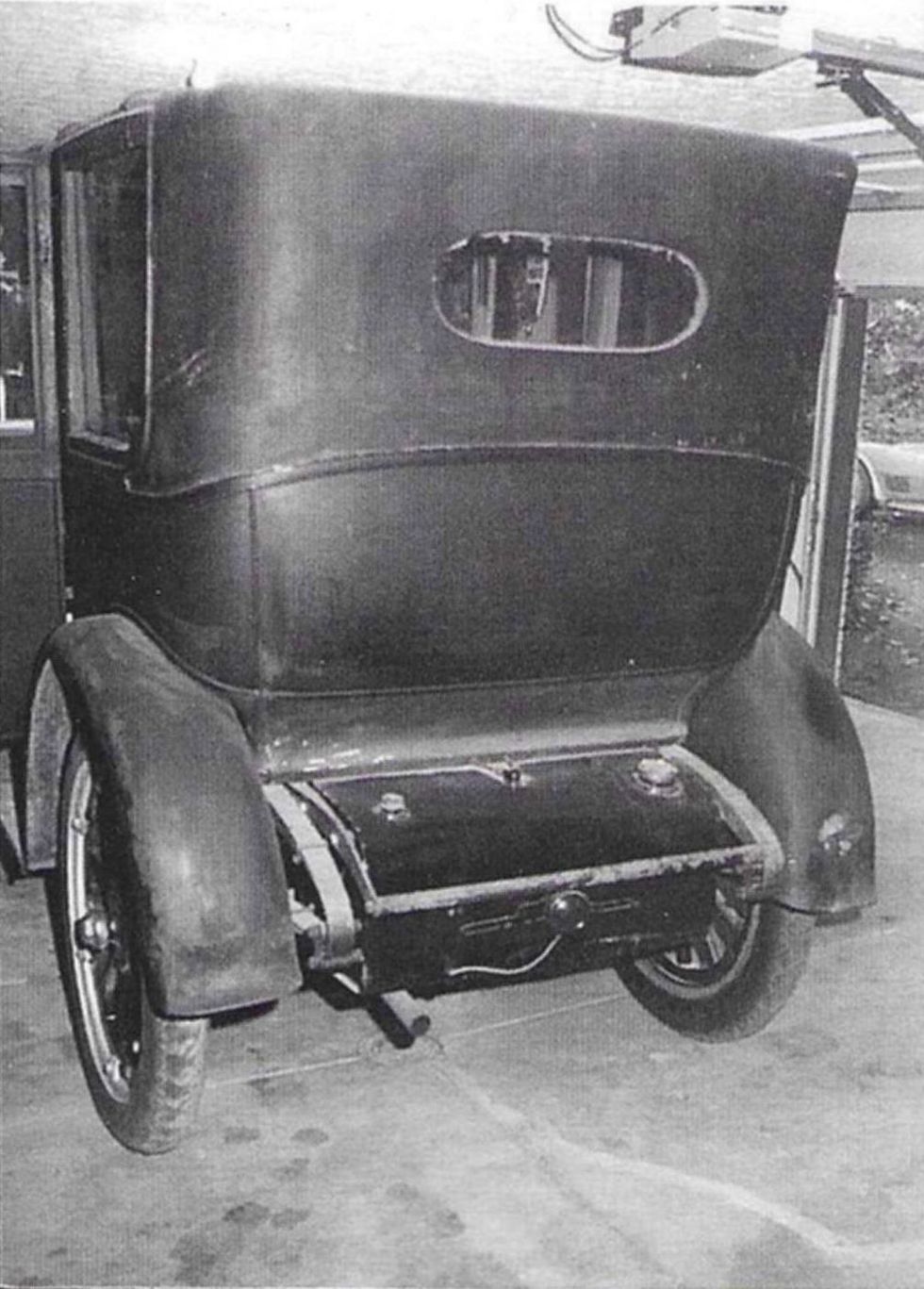
“She told me that we didn’t have room for any more cars. I said, ‘Well, it’s not really a car, it’s in pieces.’ She said that I couldn’t have it if it was a full car, but since it was in pieces it was okay… or maybe I just interpreted it that way,” Brian says with a chuckle. “She has a good sense of humor about it—she loves cars as much as I do.”
Thus, a package price was quickly negotiated, and Brian arrived with proper transport to begin the extraction of both the Peerless and the Pierce-Arrow. The setting was far different than what Brian expected, however, and the story began to unfold as soon as his feet hit the ground.
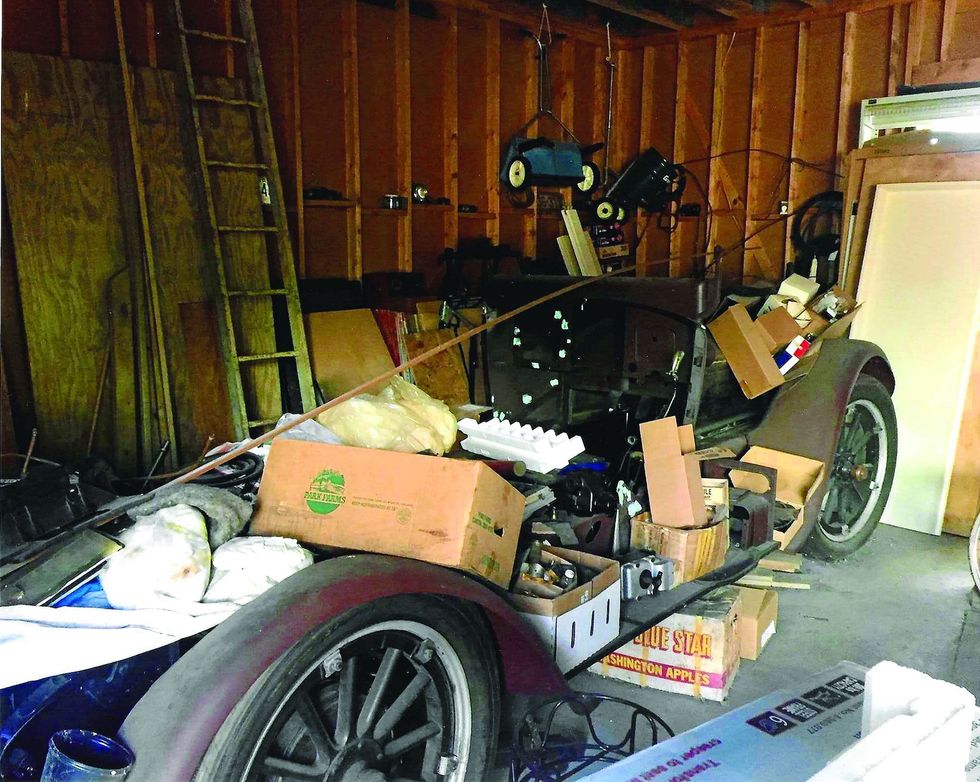
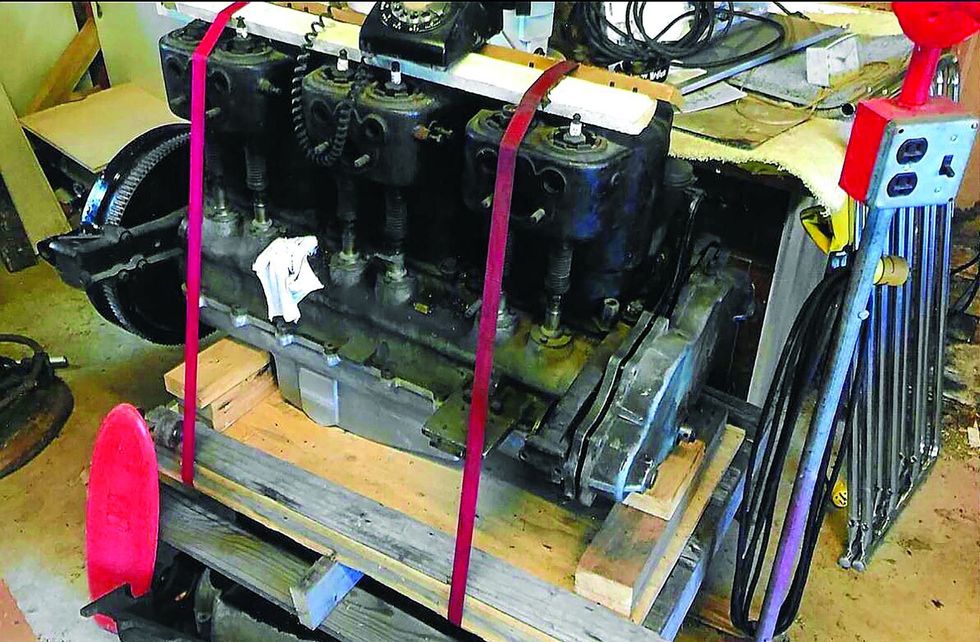
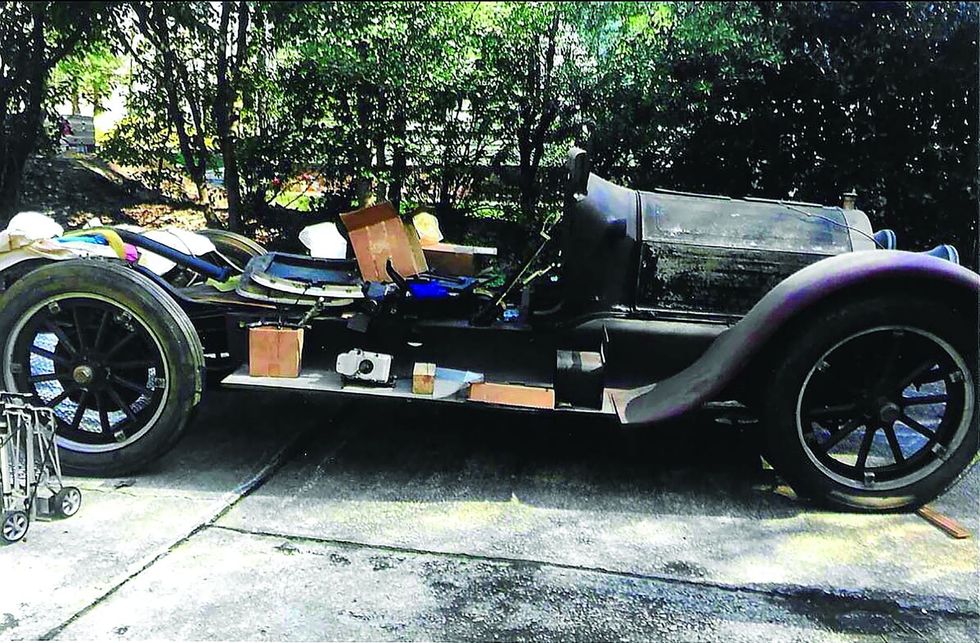
“From our conversations, I knew the man’s name was Robert Arnold, and he was a retired IBM employee who lived in an affluent area of Cary. Over the years I must have driven past his house 500 times, and I had no idea either car was in his possession— or that they had been stowed in a second garage hidden behind his residence. The family had paperwork and photos they found pertaining to the Pierce-Arrow that said Robert had bought it at a Kruse auction in Indiana back on June 11, 1977, for $12,000. At the time, he was living in Warren, Ohio, but soon after that IBM relocated him to Cary, and we can only assume he started the car’s restoration right after the move. The family wasn’t kidding; it was all in pieces. The engine was sitting on a pallet, the body had been removed from the chassis, and there were boxes of parts all over the place. We had to move miscellaneous stuff off the chassis just so we could get it out of the garage. It was clearly a stalled project that had been sitting a long time,” Brian recalls.
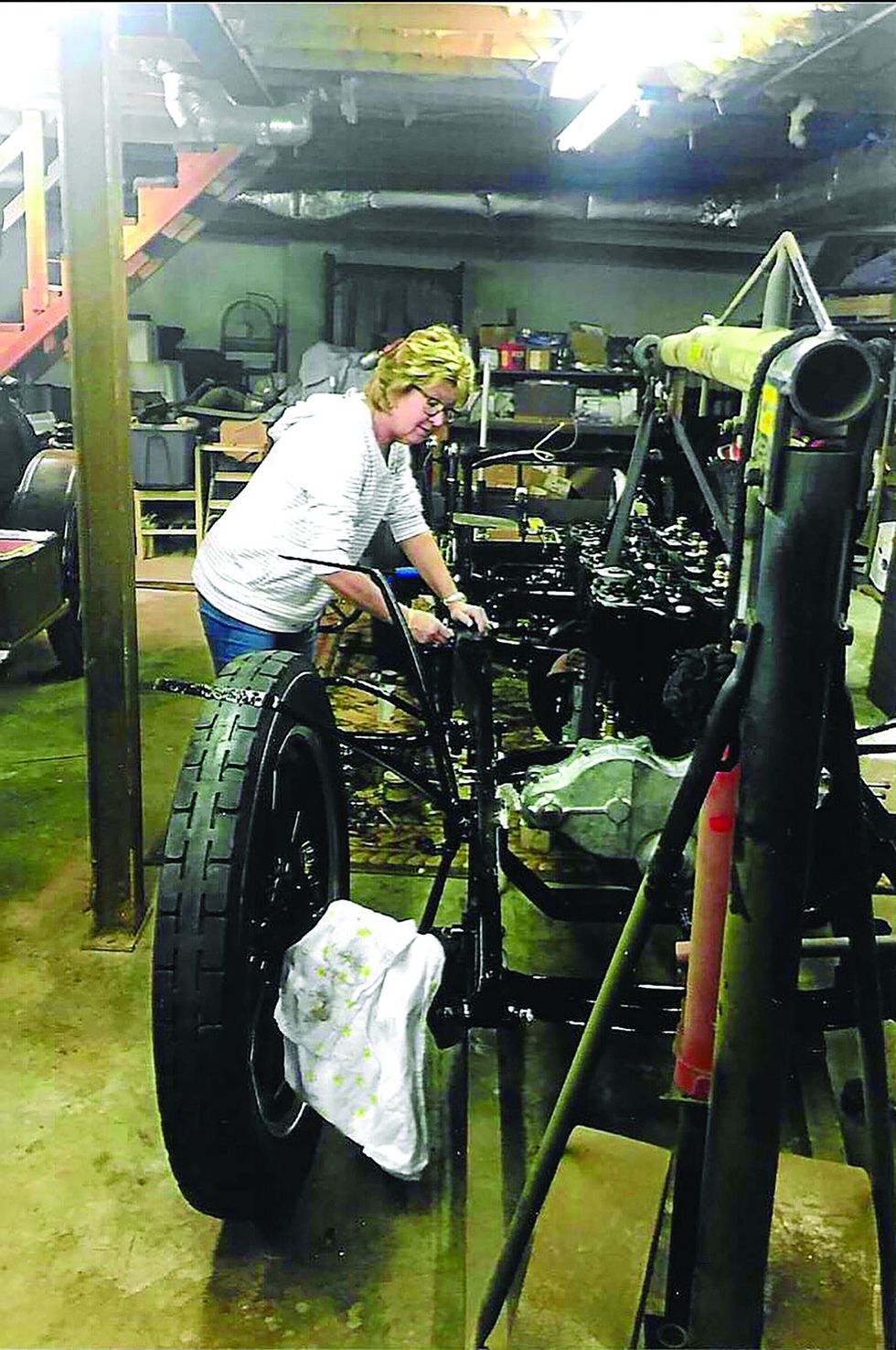
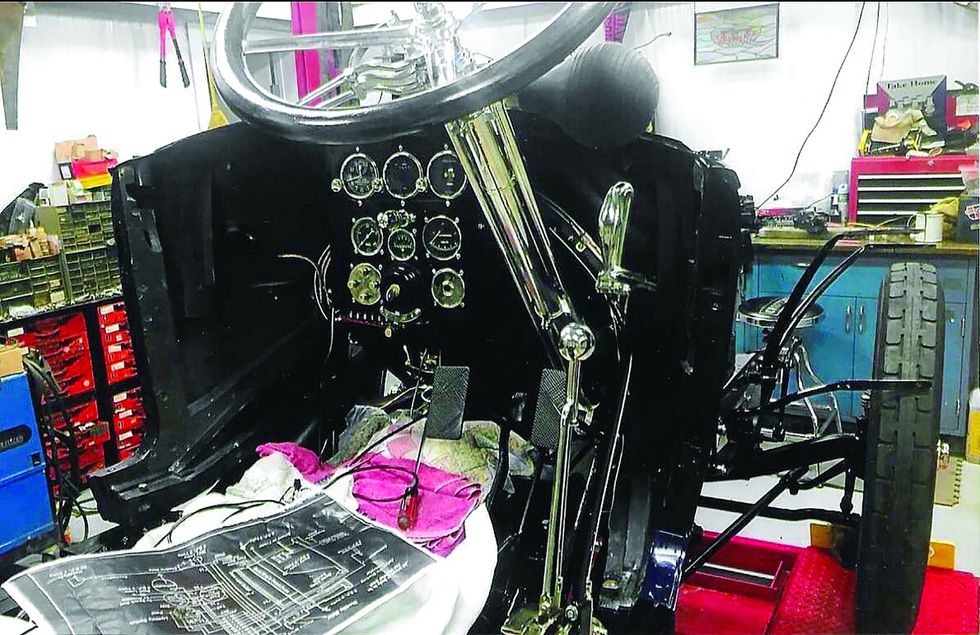
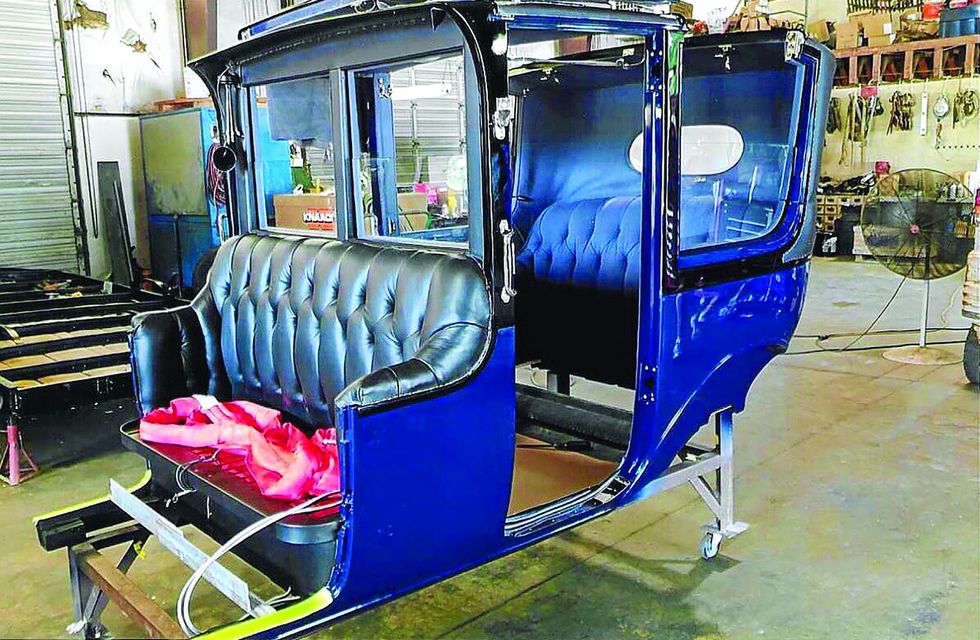
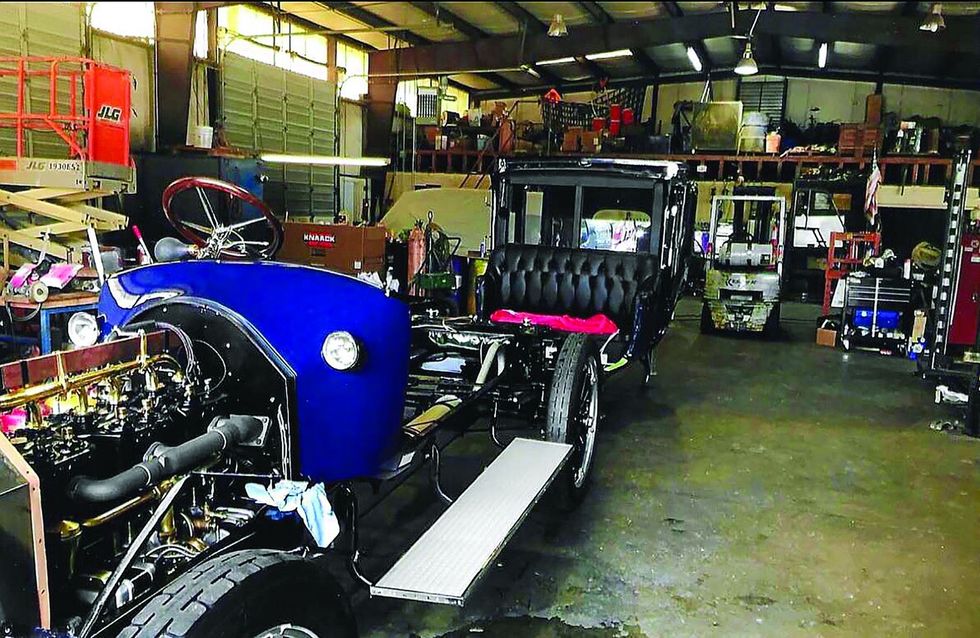
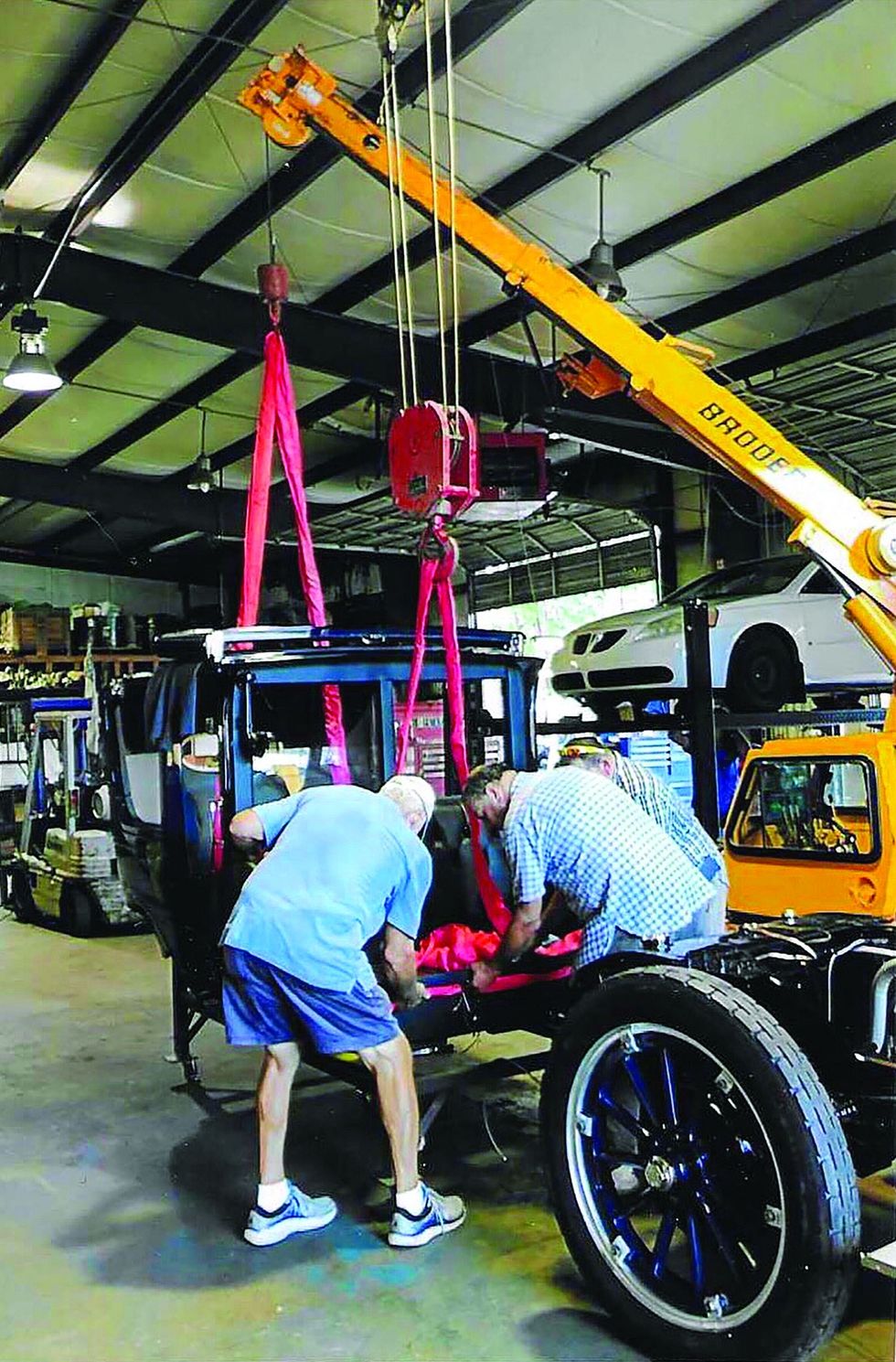
“We were able to load up everything and get both cars back to my place without any real issues—except that as soon as I got the Pierce-Arrow situated in my garage, I went ahead and dug into it because I was so excited. I didn’t have enough sense to wait a bit and assess what I really had. I knew it was rare but didn’t yet know how rare it really was. Or anything about its history.”
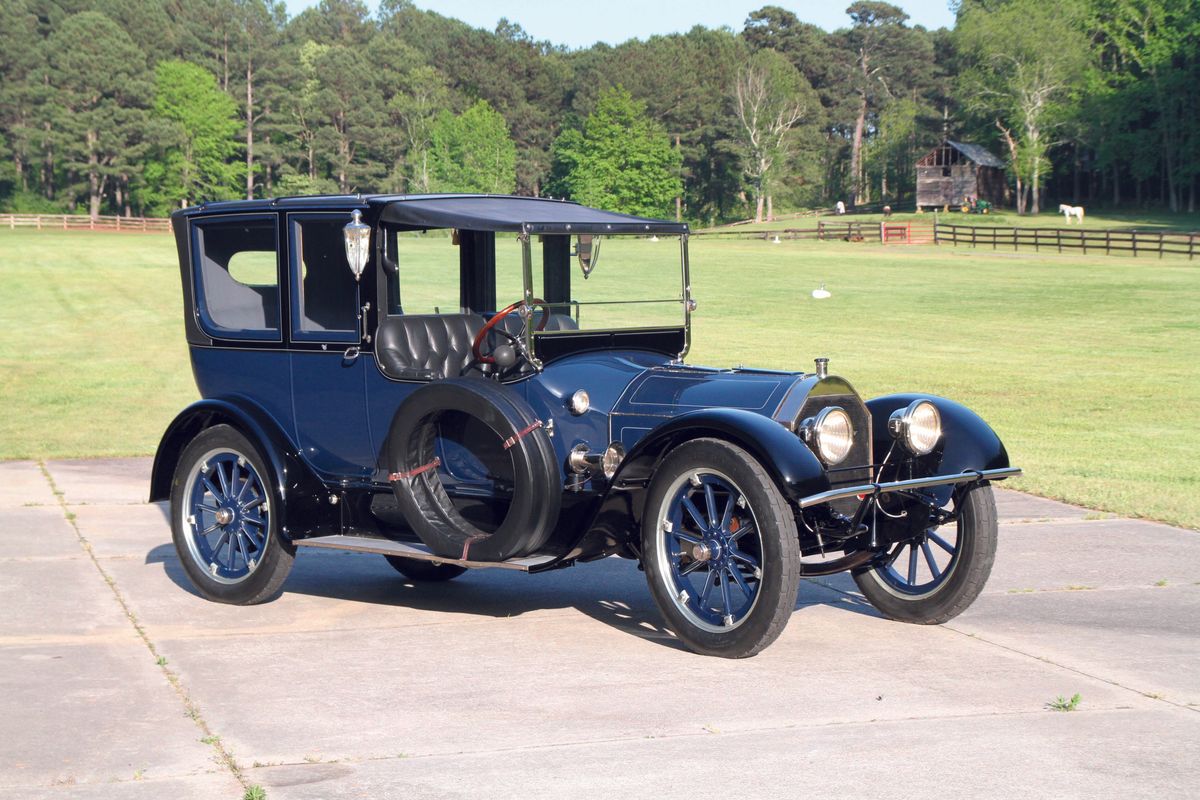
Let’s start with the car. It’s no secret that by 1915 Pierce-Arrow had built a reputation for mechanical prowess, luxury accoutrements and ride comfort, and quality control that was virtually unmatched. During the year, the Buffalo-based company eclipsed the 12,000-unit mark since the company’s founding—no small feat in an era when market competition came from almost every direction. Part of the prestige of Pierce-Arrow ownership could have been attributed to its renowned dual-ignition series of six-cylinder engines that ranked among the most powerful in the domestic industry, most notably, the 60-hp versions installed in the top-of-the-line Model 66-A series. Offered in 13 body styles, the series was exclusively priced from $5,900 to $7,200.
More affordable alternatives, yet no less luxurious, were the mid-range Model 48-B (motived by a 48.6-hp six-cylinder) and the entry-level 38.4-hp Model 38-C. The latter offered discerning buyers 11 superbly crafted body styles ranging in price from $4,300 to $5,350, including a Landaulet Town Car—the same coachwork that was now secured in Brian’s home shop. Communication with the Pierce-Arrow Society, the national club for such enthusiasts, provided Brian with additional, eye-opening information.
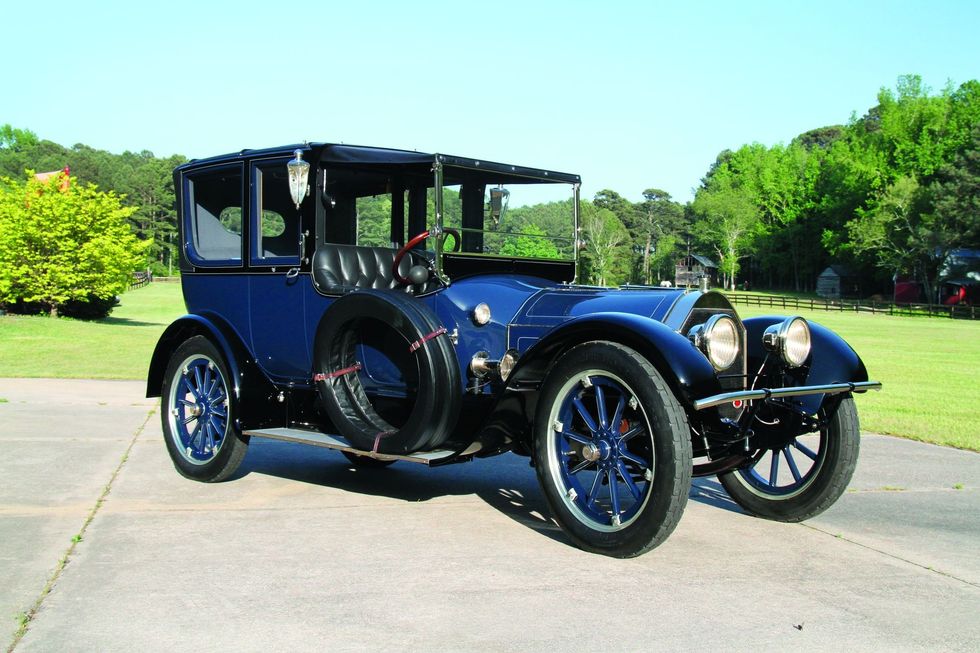
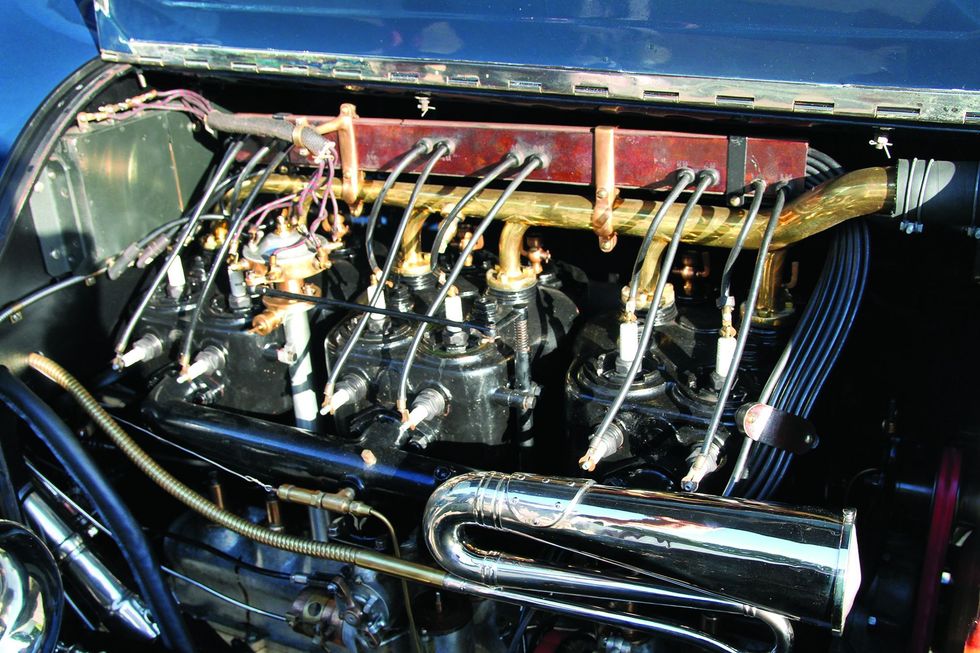
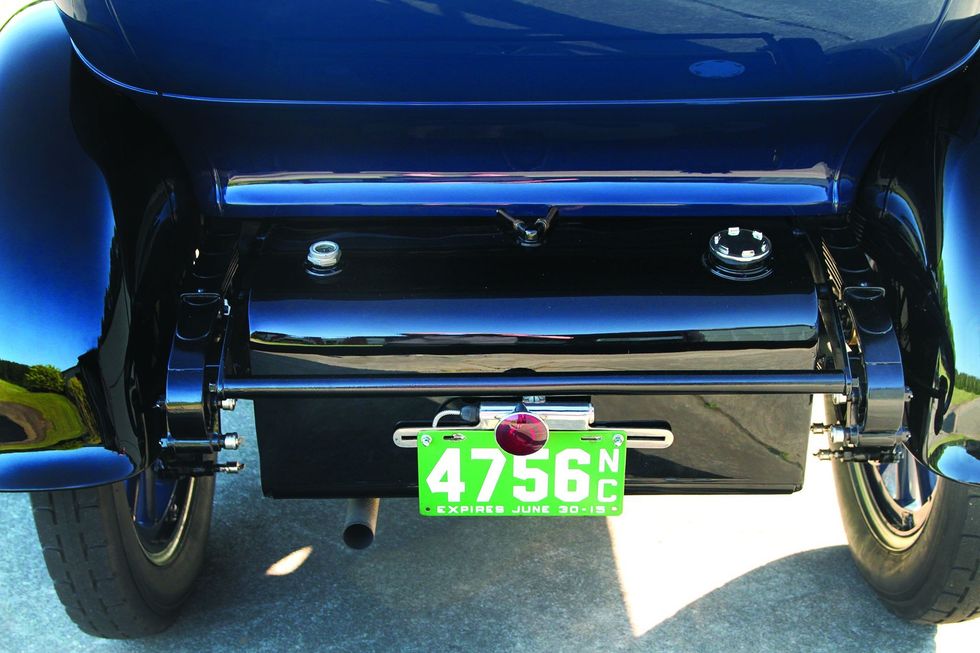
“According to the club, from 1914-’16 about 1,650 Model 38-C-3 cars were built, of which only 13 are known to exist. Most of the total production were either Landaulets or Town Cars, but only a fraction of them were Landaulet Town Cars. And I was told that mine is the only known survivor. That was a bit shocking to me. What was interesting was that the Society knew about this car, because Robert had been a member. The problem was nobody had seen it since 1977; it had been in Robert’s garage so long that everybody kind of forgot about it.”
As Brian organized the piles of parts to make sense of how complete the only extant Landaulet Town Car was, more of its history emerged. One of the first artifacts reaffirmed a supposed timeline for the initial start of the restoration while under Robert’s ownership: letters to and from the person who cast a new oil pan for the Pierce-Arrow’s engine, as Brian explained.
“The original oil pan had been damaged, and Robert had sent it to a guy in the late Seventies to have a new one cast. Both pans were among the parts, but the new pan was still in its rough form; none of the finishing machine work had been completed. The exchange of comments in the letters were, well, rough, which explains why that job wasn’t finished. Later, I was moving the seats and tucked in one of them was an old New York registration card dating from 1925. How that survived when Robert removed the seats, I have no idea.”
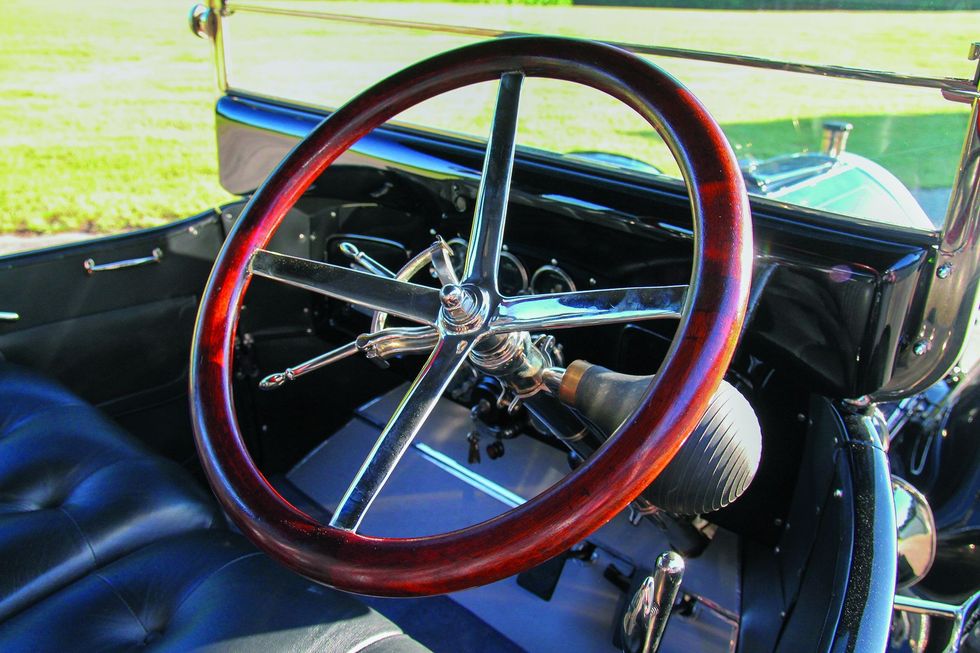
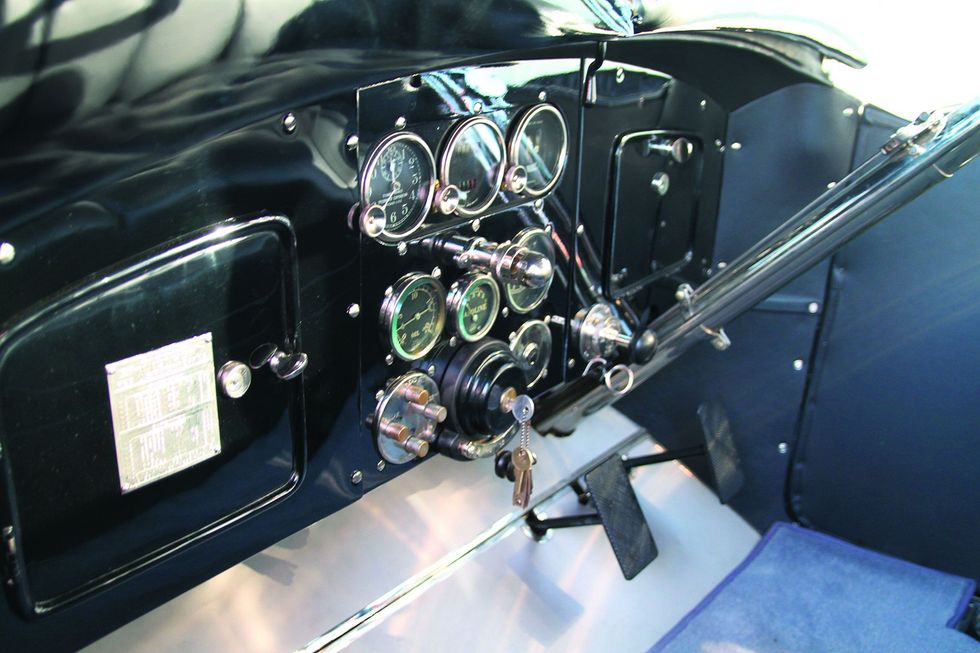
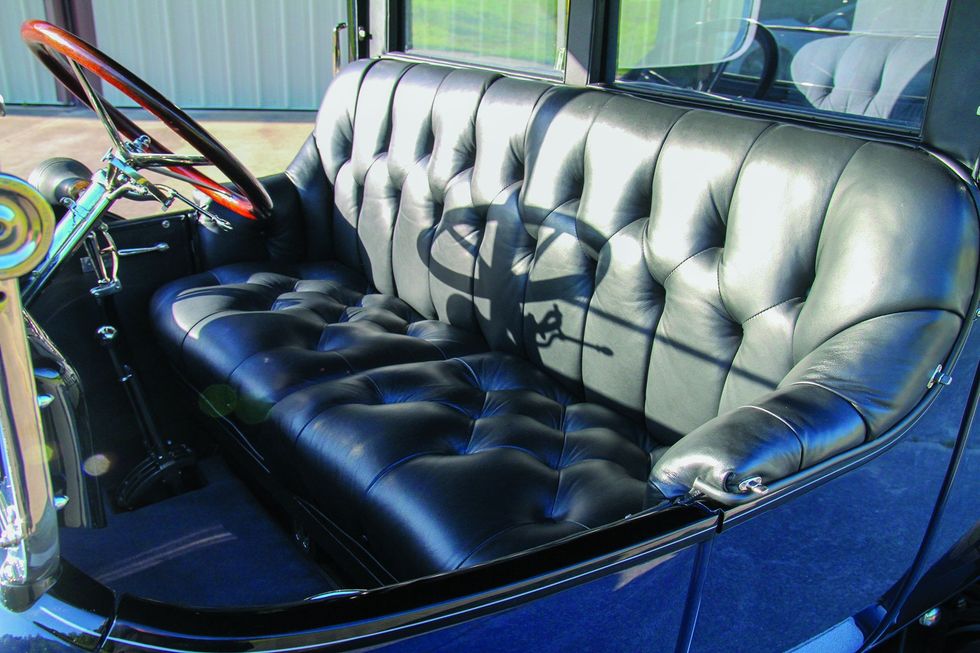
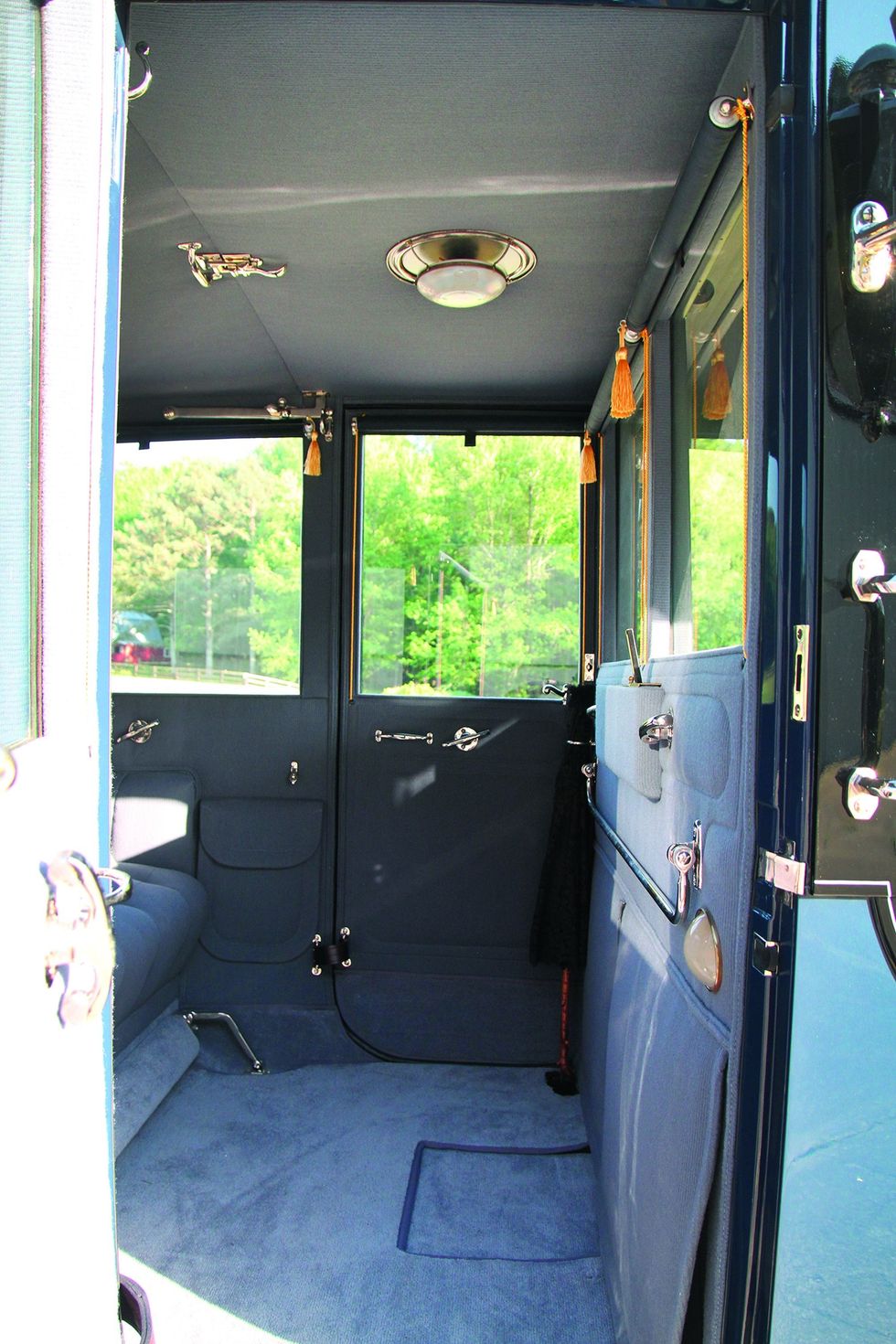
The registration was abnormal, for the owner’s name—Helen F. Campbell— listed her address as 34 Rue Marbeuf in Paris, France. Brian and Patricia’s subsequent research revealed Helen was the only daughter of New York banker Harris C. Fahnestock, who had not only been financial advisor to President Abraham Lincoln, but also one of the co-founders of First National Bank of New York, one of the predecessors to Citigroup. When her father died in 1914, his estate had a net value of $16.6 million; each of his six children, including Helen, was bequeathed nearly $3 million in the same year she purchased the Pierce-Arrow. (Nearly another $1 million was bequeathed to several charitable organizations and associates).
Meanwhile, Helen had married physician Clarence G. Campbell in 1896 and together the couple began traveling to and from Europe. Sometime in 1924 or ’25, Helen divorced Clarence and maintained both a New York City and a Paris address, and during a trip to Bermuda in ’28 she met and later married International Banking Corporation lawyer and treasurer John Hubbard.
Hardly flaunting her wealth, Helen founded, built, and equipped the Manhattan School of Music in 1929 (which she later upgraded), served as the director of the Travelers Aid Society, and was a member of the Society of Women Geographers, the National Institute of Social Sciences, and the French Institute, to name a few. When she died in August 1955 at age 83 in Paris, her return home for burial was her 100th Atlantic crossing, all the while maintaining ownership of the Pierce-Arrow.
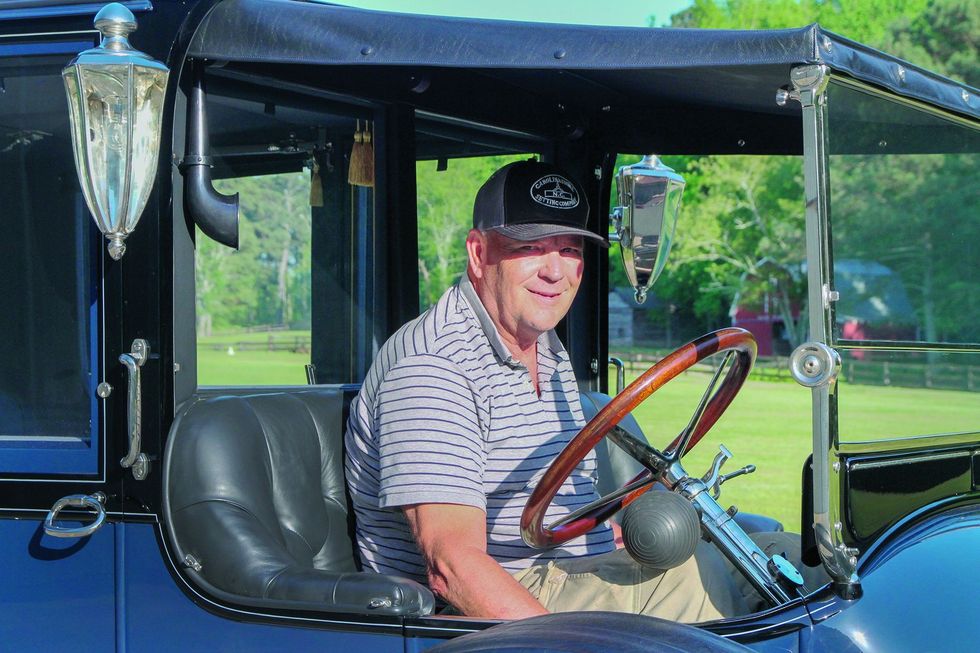
“We haven’t found records of shipping documents suggesting the car left New York. After her death, the car went to the (long defunct) Long Island Automotive Museum, where it remained until it was sold at the Kruse auction, and then taken apart. Considering Helen likely never drove very far, there’s a probability the 7,700 miles on the odometer when I purchased the car may be original. The gentleman who rebuilt the engine said the internals had almost no wear, but he repoured new babbitt bearings nonetheless,” Brian says.
It was one aspect of the restoration that went surprisingly smoothly. Another was the lack of metal fatigue that would have otherwise necessitated fabrication work. Though unusable, the original upholstery was used as a pattern for new material, and the only parts missing were the interior dome lamp and a proper magneto. The former was in a box of Peerless parts—conveniently located just prior to Brian’s sale of that car—while a replacement magneto was found at the 2016 AACA Hershey Meet in Pennsylvania.
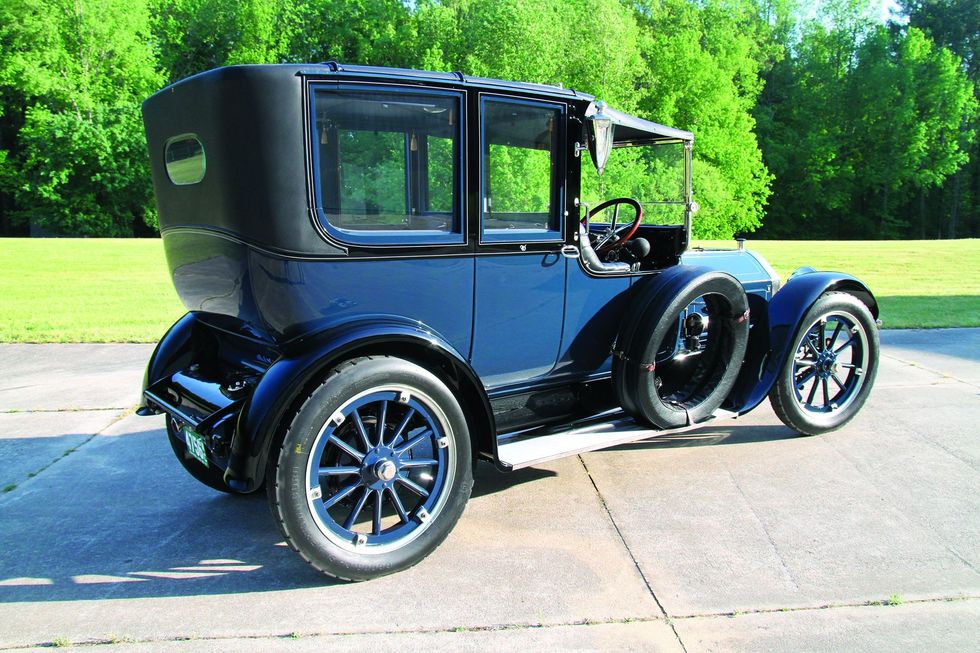
Because of its completeness and decades of dry storage, Brian, with the help of friends and family, was able to complete the Landaulet Town Car’s restoration in time for the 2019 AACA Southeastern Spring National Meet, where it earned the first of many accolades.
“It was a fun project that was full of surprises. We’ve just come back from the 2023 Southeastern Spring Meet at Charlotte, North Carolina, where it maintained its Repeat Preservation recognition. Even better was that I was able to share its story with others and drive it around. That’s what’s in store—more driving, and experiencing how these were engineered for power, comfort, and handling. I keep telling people, ‘You don’t get many calls from an undertaker that make you rejoice.’ This was certainly one of them.”
Commercials Cooperation Advertisements:
(1) IT Teacher IT Freelance

立刻註冊及報名電腦補習課程吧!
电子计算机 -教育 -IT 電腦班” ( IT電腦補習 ) 提供一個方便的电子计算机 教育平台, 為大家配對信息技术, 電腦 老師, IT freelance 和 programming expert. 讓大家方便地就能找到合適的電腦補習, 電腦班, 家教, 私人老師.
We are a education and information platform which you can find a IT private tutorial teacher or freelance.
Also we provide different information about information technology, Computer, programming, mobile, Android, apple, game, movie, anime, animation…
(2) ITSec

www.ITSeceu.uk
Secure Your Computers from Cyber Threats and mitigate risks with professional services to defend Hackers.
ITSec provide IT Security and Compliance Services, including IT Compliance Services, Risk Assessment, IT Audit, Security Assessment and Audit, ISO 27001 Consulting and Certification, GDPR Compliance Services, Privacy Impact Assessment (PIA), Penetration test, Ethical Hacking, Vulnerabilities scan, IT Consulting, Data Privacy Consulting, Data Protection Services, Information Security Consulting, Cyber Security Consulting, Network Security Audit, Security Awareness Training.
Contact us right away.
Email (Prefer using email to contact us):
SalesExecutive@ITSec.vip