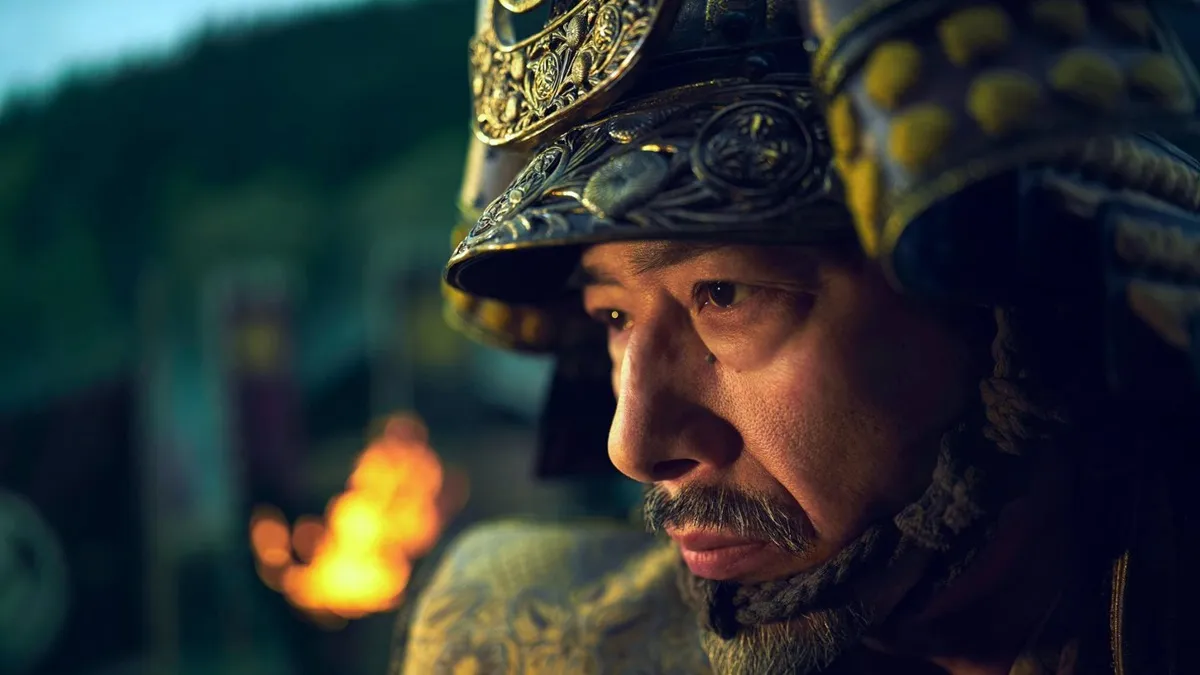
The new historical drama series from FX and streaming on Hulu called Shōgun deals with emperors, daimyo, samurai, battle lords, and all classes of warriors and heroes from the Azuchi-Momoyama period. But how did this complicated hierarchy of power really work?
As its name suggests, Shōgun primarily deals with the founding of the second great Shōgunate in 1603 by Tokugawa Ieyasu. This historical character who ended up winning the monumental Battle of Sekigahara is given a fictional name in Hulu’s Shōgun, which itself is based on the eponymous 1975 novel by James Clavell. But the daimyo-turned-shōgun is not the only character of authority in this new Eastern tale. It may not seem like it, yet in the era where battle lords had the final say on all matters in Japan, the country even had an emperor.
A lot of viewers might find the dynamic between the daimyos and the emperor confusing. Things get even more complicated as you learn more about the shōgun himself, and the absolute power he called upon to make decisions about the country. Here’s everything you need to know about the role of emperors and shōguns in feudal Japan.
Who is more powerful, the Emperor or the Shōgun?
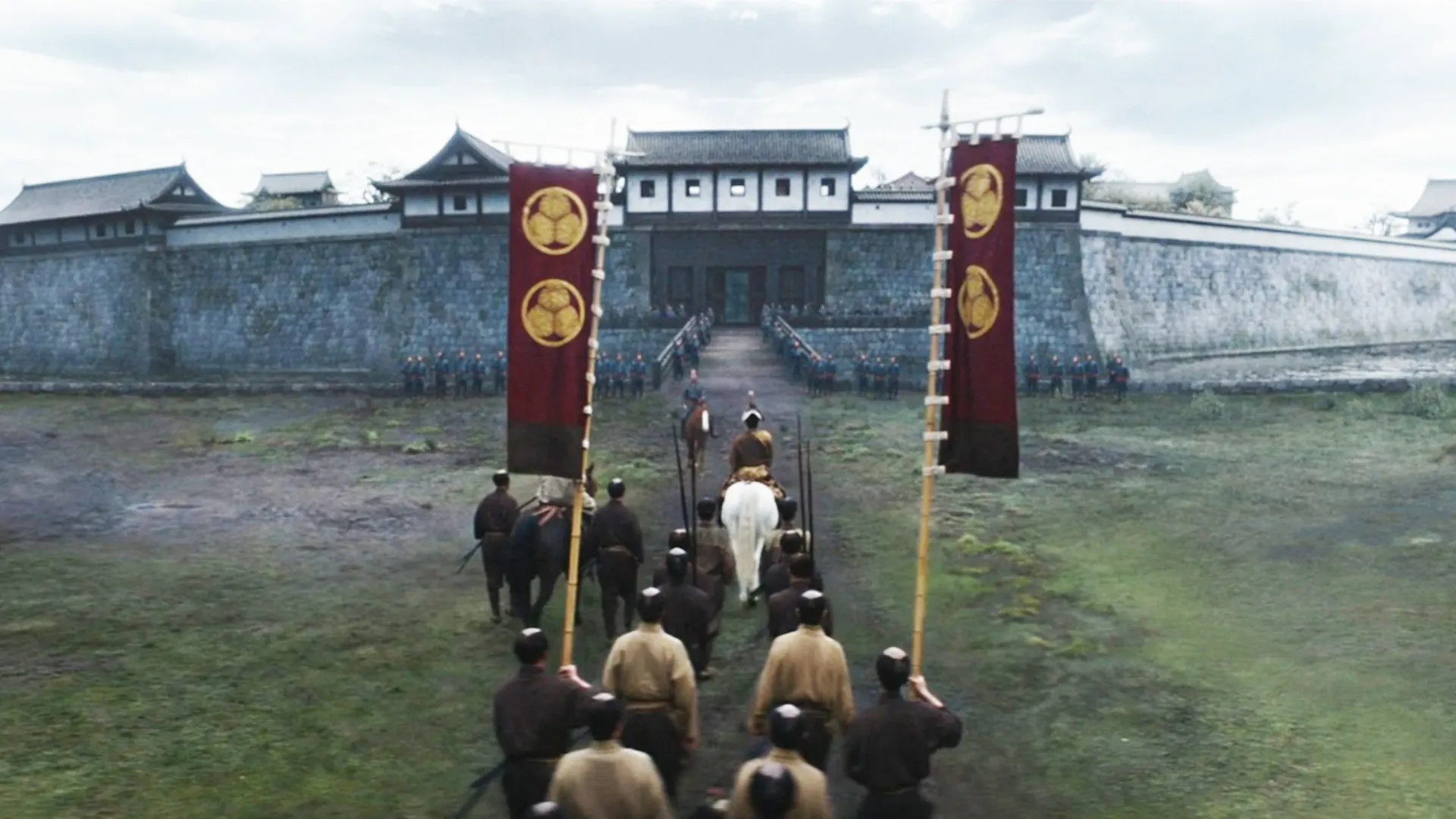
While the emperor used to have tremendous political leeway in Japan, the rise of military tribes and Shōgunates in the late Heian period (794–1185) caused a massive shift in the power dynamic. In time, the emperor or the “heavenly sovereign” turned into something of a ceremonial head of state, with the shōgun instead exercising absolute power — and not just over the military, but the biggest and most powerful of the houses and clans.
In fact, the shōgun was an emperor unto himself, in all but the name. He was not just the de facto leader of the entire nation, but his title literally translated to “general” or “army commander against the barbarians.” The shōgun commanded the samurai clans and all the other military forces in Japan. The shōgun governed the country, and issued edicts or laws to be carried out with the utmost authority. The shōgun even appointed the provincial daimyos, who were basically the equivalent of vassal lords in their fiefdoms.
So, while the emperor represented the country in matters of culture and religion, it was up to the shōgun to handle matters of governance and even make decisions. This all ended with the Meiji Restoration in the late 19th century, where the Westernization and industrialization of Japan stripped the samurai of their privileges and changed the country’s status quo from feudalism, to a parliamentary government.
To this day, Japan retains a symbolic monarchy.
Commercials Cooperation Advertisements:
(1) IT Teacher IT Freelance

立刻註冊及報名電腦補習課程吧!
电子计算机 -教育 -IT 電腦班” ( IT電腦補習 ) 提供一個方便的电子计算机 教育平台, 為大家配對信息技术, 電腦 老師, IT freelance 和 programming expert. 讓大家方便地就能找到合適的電腦補習, 電腦班, 家教, 私人老師.
We are a education and information platform which you can find a IT private tutorial teacher or freelance.
Also we provide different information about information technology, Computer, programming, mobile, Android, apple, game, movie, anime, animation…
(2) ITSec

www.ITSeceu.uk
Secure Your Computers from Cyber Threats and mitigate risks with professional services to defend Hackers.
ITSec provide IT Security and Compliance Services, including IT Compliance Services, Risk Assessment, IT Audit, Security Assessment and Audit, ISO 27001 Consulting and Certification, GDPR Compliance Services, Privacy Impact Assessment (PIA), Penetration test, Ethical Hacking, Vulnerabilities scan, IT Consulting, Data Privacy Consulting, Data Protection Services, Information Security Consulting, Cyber Security Consulting, Network Security Audit, Security Awareness Training.
Contact us right away.
Email (Prefer using email to contact us):
SalesExecutive@ITSec.vip